ACH Automatic Payments (Timing, Costs, and Setup)
See how ACH payments work, what they cost, and when they make sense.
What are ACH automatic payments?
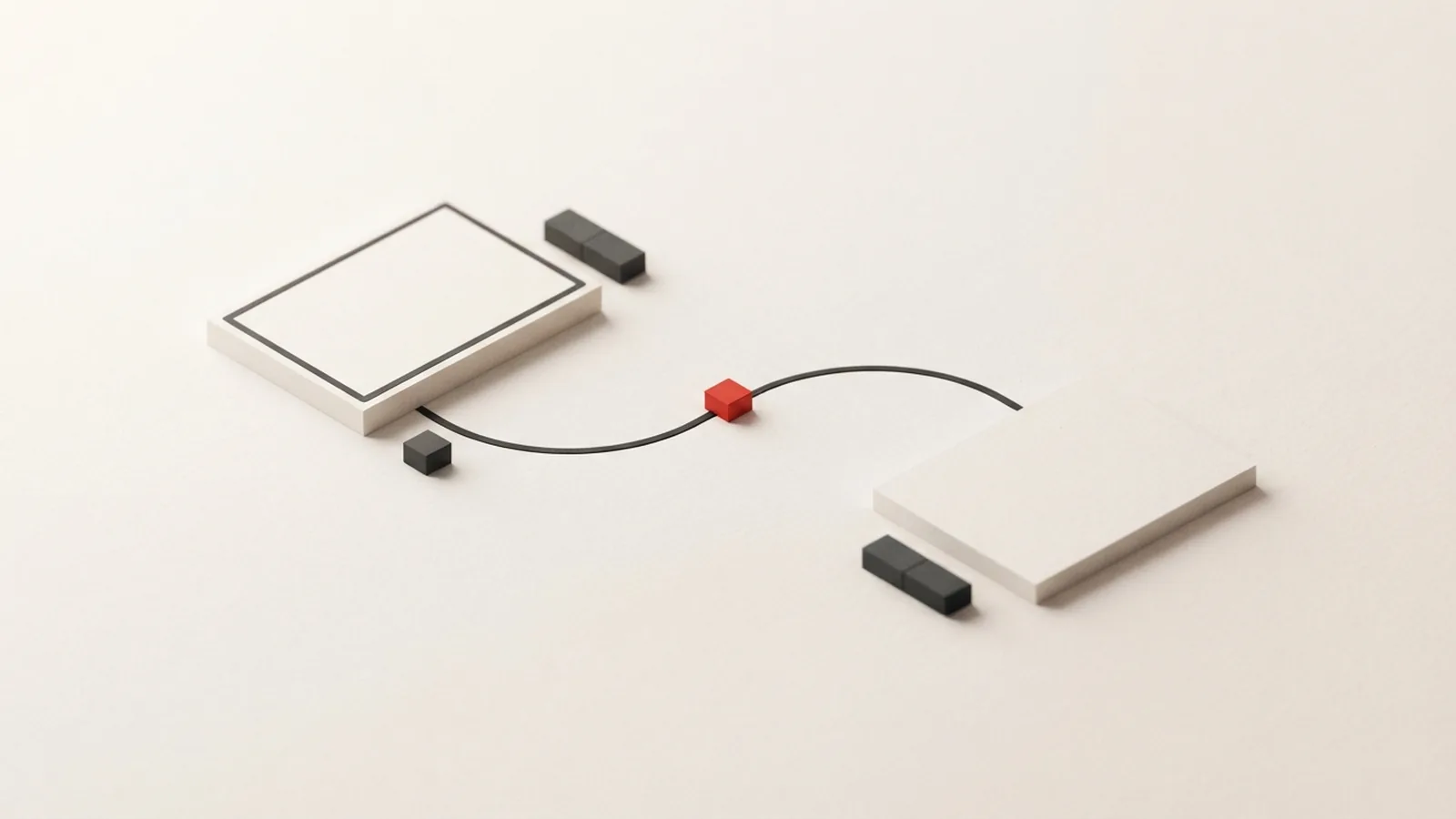
ACH automatic payments move money between bank accounts through the Automated Clearing House network. They are electronic funds transfers used for payroll, bill payments, subscriptions, and business payouts. A business can send money to you, or - with your permission - collect money from your account.
These payments are often set up to repeat on a schedule, such as each month or payday. Direct deposit is a common ACH credit, while a recurring utility bill is often an ACH debit. The word “automatic” describes the schedule or permission. It does not mean the money moves instantly.
ACH is a U.S. payment network, not a card network. Banks and credit unions use it to exchange payment instructions in batches. Nacha’s overview of the ACH Network explains its role in everyday bank payments.
How ACH payments move between banks
An ACH payment starts with an originator, such as an employer or biller. The originator sends payment details to its bank or payment provider. That institution is called the Originating Depository Financial Institution, or ODFI.
The ODFI groups payment instructions into a batch and sends them through the ACH network. The network sorts them for the right banks. The Receiving Depository Financial Institution, or RDFI, then posts the payment to the recipient’s account.
Most ACH payments take one to three business days. Weekends and bank holidays can add time. Same-day ACH is available for eligible payments, though a bank or provider may charge extra or set an earlier cutoff.
- Start: The payer submits a payment instruction.
- Sort: The ODFI sends it through the ACH network in a batch.
- Post: The RDFI credits or debits the account.
- Check: Banks may return a payment if account details are wrong or funds are lacking.
ACH credits and ACH debits
An ACH credit pushes money into another account. An employer uses this method for payroll, and a company might use it to pay a supplier. The sender tells its bank where to send the funds.
An ACH debit pulls money from an account after the account holder gives permission. Examples include mortgage payments, insurance premiums, and monthly memberships. The biller submits the request through its bank or payment provider.
The difference matters when you set up automatic payment processing. With a credit, you arrange to send money. With a debit, you authorize a business to collect it under agreed terms. Check the amount, schedule, and cancellation process before you grant permission.
Why people and businesses use ACH
ACH payments often cost less than wire transfers and card payments, especially for repeat payments. Fees depend on the bank or provider, so compare the price for your own account. Some banks charge no fee for routine transfers, while business tools may charge per payment or batch.
Recurring payments save time because the payer does not need to enter the same details each month. Direct deposit can also put wages into an account without a paper check. Businesses can use ACH for payroll, vendor bills, and customer payments.
The process also uses bank account checks and payment records. That can make it easier to track regular bills than cash or paper checks. ACH is not risk-free, so use trusted payees and review account activity.
- Lower fees may suit frequent or larger payments.
- Scheduled debits can help keep routine bills on time.
- Direct deposit can reduce paper checks and manual steps.
- Bank records help you match payments with bills or pay runs.
Limits and delays to keep in mind
ACH has limits, but there is no single limit for every payment. Banks and payment providers may set caps based on account type, risk, and transfer speed. A common range for some services is about $2,000 to $25,000, but your own cap may be lower or higher.
Payments can take longer when a bank has an early cutoff, a holiday falls near the transfer date, or a review is needed. Wrong account or routing details can lead to a rejected payment. A debit may also fail if the account lacks enough money.
ACH payments can be returned or disputed under set rules. A completed payment is not always easy to cancel, so contact your bank or provider quickly if you spot an error. For a debit you did not approve, ask your bank about its dispute steps and deadlines.
ACH compared with wires and card payments
ACH is often a good fit for routine payments where lower cost matters more than immediate delivery. Wire transfers can arrive faster, often the same business day, but fees tend to be higher. A wire is also hard to reverse once sent, so check the recipient details before approval.
Card payments are convenient for online purchases and point-of-sale spending. They can offer fast approval and a familiar dispute process. But merchants may pay higher fees, and recurring card payments can fail when a card expires or changes.
| Method | Typical speed | Common fit | Key trade-off |
|---|---|---|---|
| ACH | One to three business days; same-day options may exist | Payroll, bills, repeat payments | Lower cost, but not always fast |
| Wire | Often same business day | Time-sensitive, high-value transfers | Faster, often more costly and hard to reverse |
| Card | Fast approval | Retail and online purchases | Easy to use, with merchant fees and card expiry risk |
How to start an ACH payment
First, choose a bank or payment provider that supports the type of payment you need. Confirm its fees, transfer limits, cutoff times, and expected delivery date. For a recurring debit, check the terms for changing or ending the payment.
Enter the recipient’s bank details with care. These usually include the account number and routing number, plus the account type. Use a trusted source to confirm the details, since a typo can delay or misdirect a payment.
Review the amount, date, and frequency before you approve the transfer. Save the confirmation and check your bank statement when the payment posts. For a recurring payment, keep enough funds in the account before each due date.
Frequently asked questions
- How long does an ACH automatic payment take?
- Most ACH payments take one to three business days. Same-day service may be available, based on the bank, payment type, and cutoff time.
- What is the difference between an ACH credit and debit?
- An ACH credit sends money into another account, such as payroll. An ACH debit pulls money from an account after the holder gives permission.
- Are ACH payments cheaper than wire transfers?
- ACH payments often cost less than wires, especially for routine transfers. Fees vary by bank and provider, while wires may suit payments that need faster delivery.
- Can I cancel an ACH payment?
- You may be able to stop a scheduled payment before it begins processing. Once sent, a payment may be hard to reverse, so contact your bank or provider quickly.
- What are typical ACH transfer limits?
- Limits depend on the bank, provider, account, and transfer speed. Some services set caps in the $2,000 to $25,000 range, but that range is not universal.
Related reading

ACH Vendor Payments — Faster, Lower-Cost Ways to Pay
Learn how to pay vendors by ACH with less cost, faster settlement, and fewer errors.
ACH Loan Payments (Costs, Terms, and How to Qualify)
Understand ACH loan costs, payment schedules, cash flow effects, and lender requirements.

ACH Hold Payments (What Businesses Should Know)
Understand ACH holds, their causes, timing, and ways to protect your cash flow.