ACH Bank Payments — How They Work and When to Use Them
See how ACH moves money, what it costs, and when fintech tools may fit better.

What is an ACH bank payment?
An ACH bank payment moves money between bank accounts through the Automated Clearing House network. ACH stands for Automated Clearing House. It is a shared system that banks and credit unions use to send and receive electronic payments. People and businesses use it for direct deposit, bill payments, and many account-to-account transfers.
The ACH bank payment meaning is simple: the payment starts with an instruction to debit or credit an account. The banks then send that instruction through ACH processing. Unlike a card payment, it does not rely on a card number or card network. The funds move between deposit accounts.
ACH is one part of the wider bank payment system. Banks also send wires, process card payments, and support checks. ACH often suits payments that do not need instant delivery. The network handles large batches of payment instructions each day.
For instance, an employer can send wages to staff by direct deposit. A utility firm can collect a monthly bill from a customer’s bank account. In both cases, the sender needs the right account details and permission to make the payment.
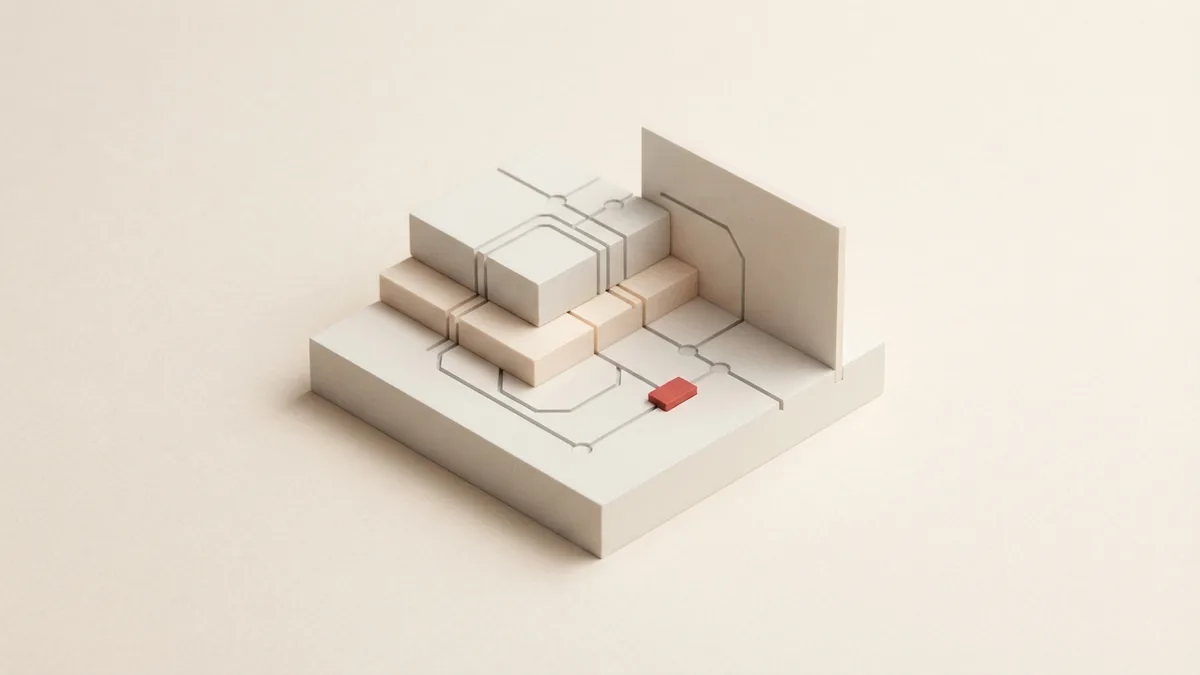
How ACH payments move from one account to another
ACH payments follow a set path, though the customer often sees only a pending payment and a later bank entry. The sender, its bank, the ACH network, and the recipient’s bank each play a role. The steps below show the usual flow. Timing can vary by bank and payment type.
- The sender gets permission. A person or business asks to debit or credit an account. The sender collects the account and routing numbers needed to start the payment.
- The sender submits payment details. A business sends payment instructions to its bank or payment provider. Banks group many ACH instructions into batches.
- The network routes the batch. The ACH operator sorts the instructions and sends them to the right receiving banks. The Federal Reserve describes its role in this process through its ACH services overview.
- The receiving bank posts the entry. The bank checks the account details and processes the credit or debit. A credit adds funds; a debit takes funds out.
- The banks settle the payment. The banks settle what they owe through their settlement accounts. If the payment fails, the receiving bank returns it with a reason code.
ACH is not always instant. Many payments reach accounts on the same or next business day, while others take longer. Weekends, bank holidays, cut-off times, and bank review can affect the date funds appear.
Some banks and providers offer same-day ACH for eligible payments. This option has cut-off times and may cost more. Check when the recipient can use the funds, not only when the sender submits the payment.
Why businesses and people use ACH
Cost is a common reason to choose ACH. Card fees often include a percentage of each sale, while ACH fees may be flat or lower. Exact costs depend on the bank, provider, payment size, and service plan. Ask for the full fee schedule before comparing options.
ACH also supports repeat payments with less manual work. A business can pay staff or vendors on a set schedule. Customers can set up recurring bill payments. That can reduce paper checks and help make cash flow easier to plan.
Direct bank transfers can suit payments that are not tied to a card purchase. They can work well for rent, invoices, payroll, and membership fees. ACH also gives businesses a way to collect funds without asking customers to pay by card.
Still, ACH does not fit every need. Payments can take time to clear, and a debit can be returned if an account lacks funds. A business must get valid permission and keep clear records. Those steps help prevent disputes and repeat errors.
- Lower cost: ACH may cost less than card payments, especially for larger bills.
- Less manual work: Scheduled payments can cut down on checks and data entry.
- Direct transfer: Funds move between bank accounts without a card network.
- Useful for repeat billing: The same process can support payroll and regular invoices.
ACH through a bank or a fintech provider?
In a bank-based model, a business works with its bank to send or collect ACH payments. The bank may offer a business portal, file upload, or link to accounting software. The bank holds the account and handles its part of payment processing. Support and features vary by bank.
A fintech provider adds software around payment services. It may give a business tools to set up payments, manage customer permissions, and view payment status. Many fintech firms still rely on partner banks or established payment networks to move funds. The app may look different, but the underlying transfer can still use ACH.
So, fintech vs bank is not always a choice between two separate payment rails. It is often a choice between service models. A bank may offer direct account support and a broad set of banking services. A fintech may offer easier links to other software or a smoother payment setup.
Compare the full cost, not just the advertised rate. Include monthly fees, per-payment fees, returned-payment fees, and costs for same-day service. Also check deposit timing, support hours, account controls, and the steps needed to fix a failed payment.
| Factor | Bank service | Fintech service |
|---|---|---|
| Setup | May require a bank account and business review. | May offer a quicker online setup, subject to checks. |
| Payment tools | Often covers core bank payment processing. | May add links to billing or bookkeeping tools. |
| Support | Can connect payment questions with bank account service. | May offer focused software help and online tools. |
| Funds movement | Uses bank payment rails, including ACH. | May use ACH through its bank partners. |

Common ACH problems and how to fix them
A bank declined payment can happen for several reasons. The account may not have enough funds, the account number may be wrong, or the account may be closed. A bank can also block a debit when it lacks valid permission or triggers a risk check.
If you see “your bank declined this payment,” first check the payment details and account balance. Ask the bank or payment provider for the return reason. Correct the cause before trying again. Repeated attempts can create more fees or raise fraud concerns.
Late or missing payments can stem from weekends, holidays, or submission after a daily cut-off. Send important payments early and confirm the expected arrival date. For payroll or rent, leave a few business days of room until you know the provider’s timing.
Businesses can lower errors by checking account details at setup and keeping records of customer permission. Use a clear notice before recurring debits. Set alerts for returns and failed payments, then contact the customer through a trusted channel to update details.
How to choose the right payment system
Start with the payment itself. ACH may fit recurring bills, payroll, and invoices where a short wait is fine. A card can suit a quick checkout, while a wire may fit a high-value payment that needs faster delivery. The best method depends on cost, timing, and the risk of a failed transfer.
Next, map the work your team must do. Count how many payments you send or collect each month. Note who approves them, how records reach your books, and how staff handle returns. A low per-payment fee may not be a good deal if the process takes hours of extra work.
Ask both banks and fintech firms the same questions. Get written answers about fees, cut-off times, return handling, account safeguards, and support. Confirm whether the provider holds funds, relies on partner banks, or only supplies software.
Finally, test the service with a small set of payments. Check how long funds take to arrive and how easy it is to trace a problem. Keep a backup method for urgent payments. A sound choice makes routine payments simple without hiding fees or failure risks.
Frequently asked questions
- What does ACH bank payment mean?
- It means an electronic payment that moves funds between bank accounts through the Automated Clearing House network. ACH supports credits, such as payroll, and debits, such as bill payments.
- How long does an ACH bank payment take?
- Many ACH payments arrive the same or next business day, but timing varies by bank, cut-off time, and payment type. Weekends and bank holidays can add time.
- Is ACH cheaper than paying by card?
- ACH may cost less than card payments, especially for larger or recurring bills. Fees differ by bank and provider, so compare all service and return fees.
- Why did my bank decline an ACH payment?
- Common causes include low funds, wrong account details, a closed account, or missing permission. Ask your bank or payment provider for the return reason before trying again.
- Should my business use a bank or fintech provider for ACH?
- Compare total fees, payment timing, software links, support, and return handling. A fintech can add useful tools, while a bank may offer direct account support.
Related reading

VAT for Travel Agents (Airfare, Margins and Expenses)
See how VAT affects travel sales, package margins, airfare and agency costs.

VAT Advisory Services (Rates, Fuel and Business Taxes)
Understand VAT advice, fuel rules, global rates and UK business rates.

VAT Receipts (Rules, Examples, and Excel Templates)
See what VAT receipts need, with examples and Excel tips.