Best Electronic Payment Processing Options for Every Business
Compare top payment processors by features, ACH support, security, and growth fit.

Overview of electronic payment processing
The best electronic payment processing fits your sales model and your growth plan. It should handle cards, refunds, and clear reports. It also needs tools for risk control and smooth checkout. Fees matter, but they are not the whole story.
Think of payment processing services as a full work flow. A customer pays, then money settles later. Your team needs logs, help, and stable updates. You also need the right setup for retries and refunds.
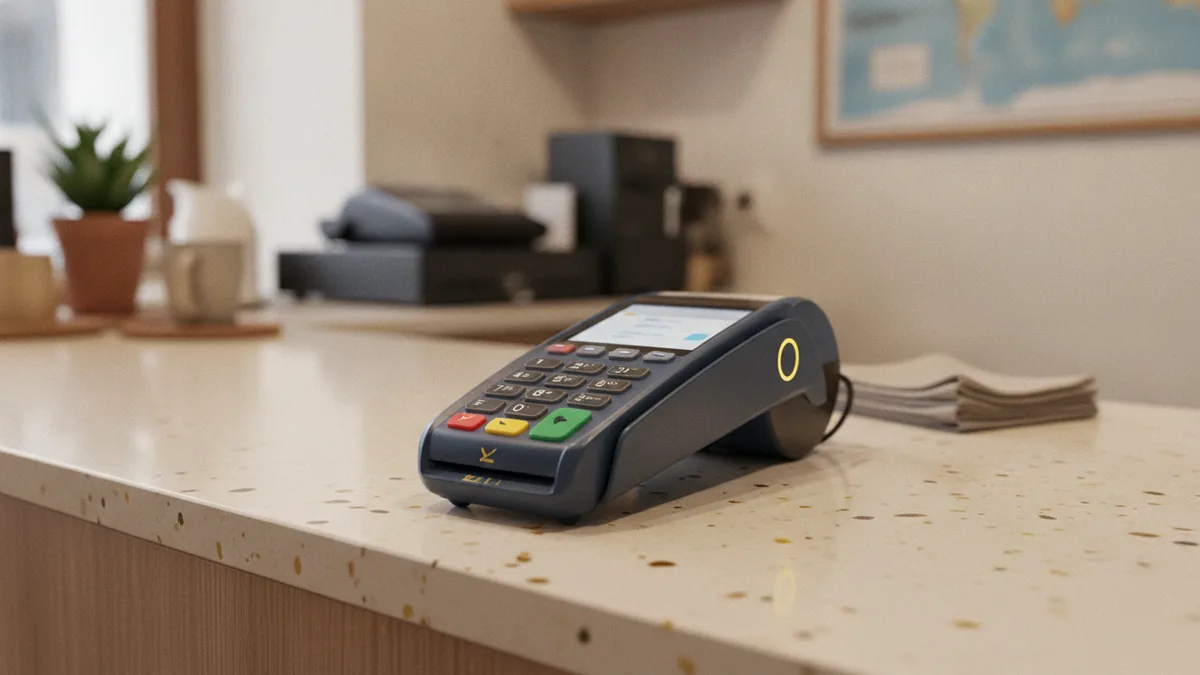
Many teams use both a payment gateway and a payment processor. A gateway routes a payment request to the right rails. A processor talks with banks and card networks. Some providers bundle both parts for you.
- Transaction fees are one cost piece.
- Ops cost is time to build and run.
- Risk cost is fraud and chargebacks.
- Growth cost is limits you hit later.
Essential features of payment processors
Start with security compliance and card data handling. Your provider should meet PCI standards for safe card use. Also look for tokenization or hosted pages. This reduces how much card data touches your systems.
Next, compare fraud prevention and dispute tools. You want real-time checks that catch stolen cards. You also need clear steps for chargebacks. The aim is fewer losses without blocking real buyers.
Scalability is also key for success. Your processor should handle traffic spikes with stable speed. It should keep checkout working during busy times. Ask about limits for requests and reporting exports.
Integration and API flexibility can save months. Look for clean docs and a solid test mode. Webhooks should be steady and easy to debug. If you sell in many places, check geographic reach and currency support.
| Feature | Why it matters | What to ask |
|---|---|---|
| Compliance and security | Keeps you within PCI standards | Hosted pages, token use, clear PCI plan |
| Fraud tools | Cuts fraud and chargebacks | Rules you can tune and easy review |
| Scalability | Stops slow or broken checkout | Peak traffic support and clear limits |
| Geographic reach | Matches where you sell | Countries, payment types, and payouts |
| API flexibility | Speeds up build and changes | Webhooks, test mode, error clarity |

Top electronic payment processing services
Top payment processors vary by team size and tech skill. Pick the one that fits how you sell today. Then check it fits how you sell next year. Below are strong options that cover common needs.
Stripe: developer-friendly payments and billing
Stripe is a common choice for best electronic payment processing when you build your own app. It offers APIs for checkout, invoices, and billing. It also supports recurring billing for subscriptions.
Stripe can work well when you want custom payment flows. Webhooks let you sync events with your system. Fraud tools can help you block risky tries. This helps teams keep a good user experience.
PayPal: fast start and wide customer trust
PayPal is a good option when you want fast setup. Many shoppers know PayPal and trust it. That can lift checkout use for consumer buys.
The tradeoff can be higher transaction fees. Fees can also vary by route and region. Still, PayPal can be a simple way to launch quickly. It is often used alongside other payment methods.
Square: POS and online sales in one place
Square suits small shops that need POS and online sales together. You can manage in-store and web orders in one system. That cuts tool sprawl and reduces training time.
Square also aims for straightforward pricing. It can be easier than deep code builds. If you later need more custom flows, you may still use add-ons. But the base fit is for simple setups.
Adyen: omnichannel and global scale for large firms
Adyen fits large firms that run global sales at scale. It supports omnichannel payments across store and web. It also helps teams unify data across regions.
Adyen is often picked for strong currency support and global reach. It can reduce complex work when you launch in new markets. For many firms, this comes with heavier setup effort. Still, the payoff can be worth it at high volume.
Comparative analysis of payment processors
To compare payment processing services, look at workflow fit. Match tools to what you sell and how you bill. Also compare how each provider helps with risk and refunds. Then test real flows in a sandbox.
Here is a practical comparison for fast shortlisting. Use it to ask the right questions. Then request quotes once you see a clear match.
| Provider | Best fit | Main strengths | Common watch-outs |
|---|---|---|---|
| Stripe | Apps and subscription plans | API control and recurring billing | You need dev work for deep tweaks |
| PayPal | Consumer checkout and quick launch | Fast start and strong buyer trust | Transaction fees can run higher |
| Square | Retail and local brands | POS plus online tools | Less “pure API” flexibility |
| Adyen | Global enterprises | Omnichannel scale | Planning and setup can take time |
Also evaluate ACH electronic payment processing. ACH means Automated Clearing House, a bank transfer rail. Many firms like ACH for lower-cost bank moves. It can fit invoices and recurring pay.
When you check ACH, ask about timing and disputes. Ask when funds settle and how retries work. Also confirm you can reconcile easily in reports. These points affect your cash flow planning.
Next, compare refund and dispute handling. Your finance team needs fast lookup and clean logs. Your tech team needs webhooks that fire in order. Clear reports reduce month-end stress.
Factors to consider when choosing a processor
The best electronic payment processing choice supports growth. It should not block your next channel or next market. It should also keep security compliance strong as volume rises. Start with the must-haves that match your risks.
Use these factors to guide your pick.
- Match features to your sales flow. Subscriptions need recurring billing support. Online invoicing needs good link and retry tools.
- Verify security compliance. Ask about PCI standards for card handling. Look for hosted pages or token use.
- Check fraud prevention fit. Confirm you can tune rules for your risk level. Review alerts and chargeback tools.
- Confirm scalability. Ask about rate limits for requests and webhooks. Then plan for peak sales spikes.
- Validate geographic reach and currency support. List countries and payment methods you need. Then verify payouts and settlement timing.
- Test integration capabilities. Use the API in a sandbox first. Watch error codes, webhooks, and logs.
Cost needs a wider view than transaction fees. Pricing can differ by payment method and risk checks. Also add engineering time and ops time for workarounds. Those add up fast if the provider is hard to use.
User experience can change your results too. A slow checkout can raise drop-offs. It can also boost support tickets. Test the full flow on a real browser and real devices.
Conclusion and recommendations
The best payment choice is the one that fits your model. Define your payment methods first. Then test security compliance, fraud prevention, and reporting. Finally, confirm ACH electronic payment processing support if you need bank transfers.
If you build software and want control, Stripe is a strong pick. Its recurring billing support works well for subscription plans. If you want fast setup and familiar checkout, PayPal can help. Just watch transaction fees and test the experience.
If you run a store and sell online too, Square is often easiest. It blends POS and web sales in one place. If you run global omnichannel work, Adyen is built for that scale. Expect more setup, but get stronger reach.
Close the decision with tests. Run payments, refunds, and reconciliation flows in sandbox. Then review webhooks and reports with both tech and finance teams. That is where the real fit shows up.
Recommendation: shortlist two options, test end-to-end flows, and confirm ACH plus PCI-aligned security.
Frequently asked questions
- What are electronic payment processing services and what do they include?
- They help run card payments from start to finish. They also provide logs for refunds and reports. Some include a payment gateway and checkout tools.
- How do I find the best electronic payment processing for my business?
- Match features to your sales flow first. Then test checkout, refunds, and reconciliation in a sandbox. Confirm PCI-aligned security compliance and fraud prevention controls.
- Is ACH electronic payment processing cheaper than card payments?
- Often it is, because bank moves can cost less. Your real savings depend on volume and your setup. Ask for ACH pricing and confirm settlement timing.
- Do I need both a payment gateway and a processor?
- Not always, but the roles still matter. A gateway routes payment requests. A processor handles bank and network work behind the scenes.
- Which top payment processors are best for subscriptions?
- Look for strong recurring billing support. Providers like Stripe often fit subscription apps well. Your best pick still depends on your billing model and needs.
- What security compliance should I expect from a payment provider?
- Expect PCI standards for safe card handling. Look for hosted pages or token use. Ask for clear steps on fraud prevention and secure data access.
Related reading

Payment Gateway Sites: How to Compare Providers and Pick One
Learn how payment gateways work and compare top providers to pick the right one.

Accounts Receivable Payment Processing: Steps, KPIs, Best Practices
Master AR payment processing: steps, KPIs, and automation for faster cash.

Credit Repair Payment Processing: High-Risk Merchant Account Guide
Understand high-risk merchant accounts for credit repair payments, approvals, and best practices.