What Makes a Payment Gateway Secure for Businesses
Learn how secure payment gateways protect data and help you choose a safe provider.
What Is a Secure Payment Gateway?
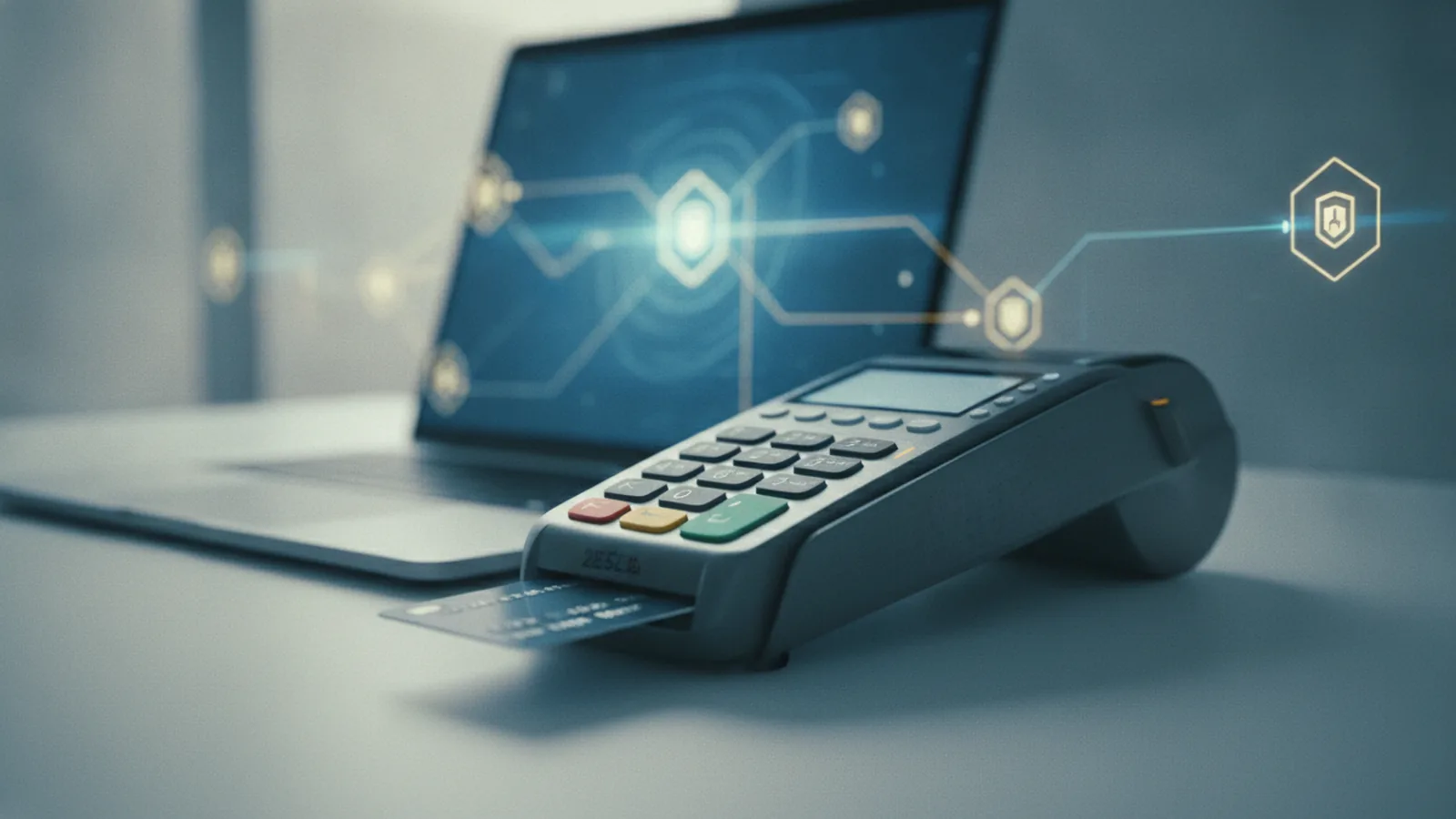
A secure payment gateway protects financial data during an online payment. It links your checkout to the bank or payment network. The gateway checks the payment, sends approval requests, and returns the result.
It also shields card details from your own systems when possible. Data moves through encryption, validation, and authorization checks. These steps help keep customer information safe during secure payment transactions.
Think of the gateway as a guarded bridge. It carries payment data between the buyer, your business, and the bank. A good gateway can also support cards, wallets, bank transfers, and local payment types.
Why Payment Security Matters
Customers expect a safe checkout. A single breach can expose card numbers, names, and billing data. It can also lead to chargebacks, lost sales, and long-term trust damage.
Payment security matters for your business too. Attackers may steal funds or use stolen data for identity theft. Your firm may also face fines, legal claims, and higher payment costs.
PCI DSS is the main card data security standard. It sets rules for firms that store, process, or send card data. Review the PCI DSS standard before you choose a provider.
- Protect card data in transit and at rest
- Limit staff access to payment systems
- Track access and payment events
- Test security controls on a set schedule
PCI DSS compliance does not remove every risk. It gives your team a clear base for safer payment work. Your gateway should support that work, not make it harder.
Core Features of Secure Payment Gateways

Strong gateways use SSL or TLS encryption for data sent over the web. This makes stolen network data much harder to read. The gateway should also use current security settings and block old protocols.
Tokenization adds another layer of safety. It replaces a card number with a random token. Your system can use that token for later charges without holding the real card number.
A gateway should check each payment before it seeks approval. It may check the card number, expiry date, address, and security code. It then sends the payment through an authorization process.
- Encryption: Protects data while it moves between systems.
- Tokenization: Keeps raw card data away from your database.
- Fraud checks: Flags odd devices, locations, or spending patterns.
- 3D Secure: Adds a bank-led step for some card payments.
- Alerts and logs: Help your team spot failed or risky payments.
3D Secure is a card check run by the card issuer. It may ask the buyer to approve a payment in a bank app. This can lower fraud, though extra checks may add checkout friction.
Risks of an Insecure Gateway
An unsafe gateway can expose data during checkout. Criminals may capture card details through weak links or bad code. They may then sell that data or use it for fraud.
Weak systems also make account takeover easier. An attacker may gain access to saved payment details. They can then place orders or drain stored balances.
The damage can spread beyond one payment. Banks may raise your fees after a fraud spike. Card networks may also place your account under review.
| Risk | Possible result | Useful control |
|---|---|---|
| Data breach | Stolen card and customer data | Tokenization and access limits |
| Fake payments | Chargebacks and lost goods | Fraud rules and 3D Secure |
| System outage | Failed orders and support costs | Uptime plans and backup routes |
| Rule breach | Fines, claims, or account limits | PCI reviews and clear records |
Do not treat compliance as a paperwork task. It should shape your systems, staff roles, and vendor checks. A secure payment gateway reduces risk when you use it well.
How to Choose the Right Gateway

Start with your sales model and customer base. A local shop may need cards and wallets. A global firm may need many currencies, local bank options, and tax support.
Compare the full price, not just the headline rate. Check per-payment fees, monthly fees, refund fees, and chargeback costs. Ask about currency conversion fees for overseas sales.
Support also matters. Find out when help is available and how fast the team responds. A payment outage needs a clear path to a skilled support worker.
- Which payment methods do your customers use?
- Does the gateway support your sales countries?
- What security tools come with the plan?
- Who handles PCI tasks after setup?
- Can the gateway connect with your store or billing tool?
- What happens during an outage or dispute?
Review the provider’s contract before you sign. Check payout timing, exit terms, data access, and reserve rules. The best secure payment processing company fits your risk, volume, and staff skills.
Putting Secure Payment Solutions in Place
Begin with a data map. List what payment data you collect, where it travels, and who can see it. Remove any data you do not need to keep.
Use hosted checkout or tokenized fields when they fit your business. These options can reduce the card data held on your servers. They may also shrink the scope of your PCI work.
Test the payment gateway integration before launch. Run approved payments, failed payments, refunds, and repeat charges. Test 3D Secure flows on mobile and desktop devices.
- Choose the payment types and regions you need.
- Set up the gateway in a test environment.
- Turn on encryption, tokenization, and fraud rules.
- Test success, failure, refund, and dispute paths.
- Limit account access and turn on staff alerts.
- Review logs and payment results after launch.
Keep software patched and access rights tight. Use separate accounts for each staff member. Review failed payments and fraud alerts each week.
Leading Secure Payment Gateway Providers
No single gateway suits every business. Stripe offers strong tools for online firms and recurring billing. Adyen suits larger firms with many markets and payment types.
PayPal can help businesses reach buyers who prefer wallet payments. Square often fits small firms that need online and in-person sales. Worldpay supports many payment types and business sizes.
These are well-known secure payment gateway companies. Their plans, features, and risk checks can differ by country. Compare the live offer for your region before making a choice.
| Provider type | Often suits | Check first |
|---|---|---|
| Developer-led gateway | Custom stores and software firms | Build effort and support |
| All-in-one platform | Small and growing firms | Control, fees, and payouts |
| Global payment firm | Large and cross-border sellers | Local methods and contracts |
Ask each provider for a security and support summary. Compare its fraud tools, payout rules, and dispute help. A lower rate does not help if it brings poor uptime or weak support.
Make Security Part of the Checkout Plan
A secure payment gateway protects more than a payment form. It supports safe data flow, fraud checks, and bank approval. It also helps your team meet card security rules.
Choose secure payment services that match your sales model. Check fees, payment methods, regions, support, and PCI duties. Then test the full payment journey before customers use it.
Keep reviewing the setup after launch. Watch fraud rates, failed payments, uptime, and customer complaints. Small fixes can protect trust and improve approval rates.
Security is an ongoing task. Pick a gateway that makes safe work simple for your team.
Frequently asked questions
- What is a secure payment gateway?
- A secure payment gateway protects payment data and links your checkout with banks and payment networks. It checks, encrypts, and routes each payment.
- How does a payment gateway keep payments secure?
- It uses encryption, tokenization, fraud checks, and approval steps. It can also limit the card data stored by your business.
- Why is PCI DSS compliance important for payment gateways?
- PCI DSS sets security rules for firms that handle card data. Meeting these rules can lower risk and help prevent fines or account limits.
- What is the most secure payment gateway?
- Stripe, Adyen, PayPal, Square, and Worldpay are well-known options. The best choice depends on your countries, payment types, sales volume, and support needs.
- What is a 3D Secure payment gateway?
- 3D Secure adds an issuer-led check during some card payments. The buyer may approve the charge through a bank app or other check.
Related reading

UK VAT Explained: Rates, Refunds, and Cross-Border Sales
UK VAT rates, refunds, registration, and export rules explained.

Business Tax Debt: Relief Options, Risks, and Owner Liability
Understand IRS tax debt relief options, owner liability, and the risks of ignoring unpaid taxes.

How to Claim an Irish VAT Refund: Rules, Steps and Amounts
Learn the Irish VAT refund rules, forms, deadlines, and likely payment.