How to Find a Company’s VAT Number by Name (and Verify It)
Find a company’s VAT number by name, then verify it using HMRC or VIES.

Understanding VAT numbers
A VAT number is a unique identifier used for Value Added Tax purposes. It ties a specific business to its VAT registration and makes invoicing and reporting traceable. You may also see the term VAT identification number.
VAT registration is common across the EU and the UK, but the format differs by country. That is why you should treat a VAT number like an ID, not just a reference string. When you search, you want the exact number assigned to the company.
If you are trying to find vat number by company name, start with the legal entity name. Many businesses trade under a brand name that is not the VAT-registered entity. Matching the legal name reduces the risk of grabbing the wrong number.
- Look for the VAT number tied to the legal business entity.
- Expect country-specific prefixes and formatting.
- Use the VAT number to support tax compliance and invoicing requirements.
Why VAT numbers matter for business and tax compliance
Businesses need VAT numbers for invoicing and tax reporting. If you invoice without the right VAT details, your books can be wrong. Your customer may also be unable to treat the VAT correctly.
VAT numbers are also used to validate trade legitimacy. When a supplier is properly registered, their VAT number helps show that they can comply with EU VAT rules or UK VAT rules. This supports business credibility on both sides of a transaction.
For buyers, the practical value is straightforward. You can reduce the chance of dealing with a business that cannot support VAT-related claims. For sellers, it helps keep invoices consistent and audit-ready.
| Where VAT numbers show up | What it helps with |
|---|---|
| Invoices and receipts | Correct VAT invoicing requirements and reporting |
| Business websites | Public proof of VAT registration for customers |
| VAT filings | Tax compliance and record keeping |
How to find a VAT number by company name
You can search vat number by company name using a few reliable starting points. Begin with the official company website. Check the footer, the “About” page, or pages that list legal information and invoicing details.
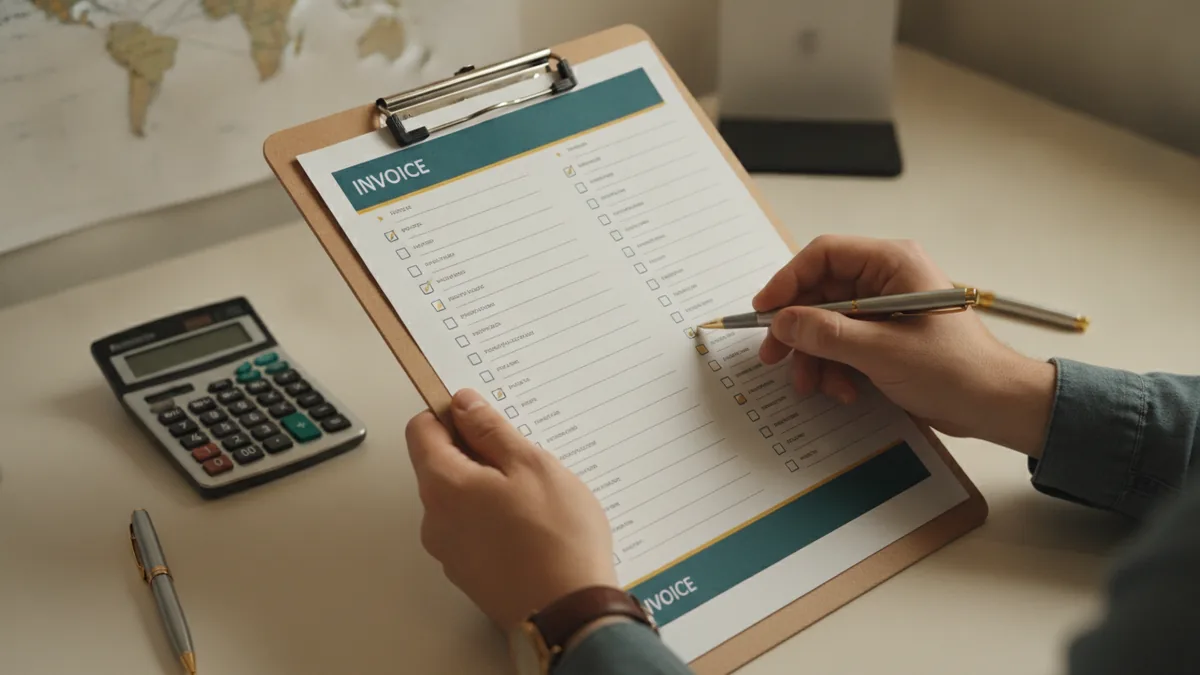
Next, search the company’s invoices. If you already have documents from a past deal, the VAT number is often printed near the seller’s address and registration details. Even if you do not have invoices yet, you can sometimes find examples in product pages, shipping documents, or downloadable terms.
When you find vat number by company name online, verify context. Some pages list a VAT number for one entity, while another group company has a different VAT number. If the website shows multiple brands, focus on the legal entity that matches the address and registration details.
Here is a simple process that works well in practice. It avoids guessing and it surfaces the most likely sources first.
- Write down the exact legal company name and registered address.
- Search the company website for “VAT” or “VAT number”.
- Check invoices, quotes, or purchase documents you already have.
- Search reputable directories that show the legal entity details.
If your question is about a vat number for us company, keep expectations realistic. Many US businesses do not have a VAT number because the US uses a different tax system. However, some US firms may be VAT registered for EU trade, or they may act as a VAT intermediary. That means you should confirm whether the company is actually VAT registered in a specific country.
Using VAT check tools (HMRC and VIES)
Once you have a VAT number candidate, use official tools to validate it. Verification is the difference between “we found a number” and “the number is active”. It also helps you avoid data-entry mistakes and outdated listings.
For the UK, HMRC provides a VAT number checker. You can use it to confirm a UK VAT registration number. This is often the fastest route when you are trying to verify a supplier before invoicing or completing paperwork.
For EU countries, use the VIES system. VIES is the EU VAT information exchange system, and it helps check whether a VAT number is valid in the relevant member state. It is especially useful when you need EU VAT rules compliance in cross-border transactions.
- Use HMRC to check UK VAT registrations.
- Use the VIES system to verify EU VAT numbers.
- Verify the format and status, not just the digits.
If a tool says the number is not found, do not assume it is wrong. Sometimes you have the wrong legal entity name, or you have a registration that has changed. Go back to the source document and re-check the company name and address pairing.
For some situations, you may also need the VAT identification number to match invoice details. Treat the VAT number as part of a bundle: number plus legal name. That pairing is what auditors and VAT authorities often expect to see.
Contacting the company for a VAT number
If you cannot find VAT information online, contacting the company directly is a reliable option. A billing contact or accounts team can confirm the VAT number for the exact legal entity that should appear on invoices. This is useful when websites are outdated or when the business operates through multiple registrations.
When you ask, include the details that help them respond correctly. Provide the legal name you have, your own billing country, and the purpose of the request. If you are searching VAT number by company name, ask them to confirm both the number and the legal entity name it belongs to.
Here is a short email structure you can adapt. Keep it factual and specific.
- Your legal name and address
- Their legal entity name you plan to bill
- The VAT number you found (if any) for confirmation
- Request to confirm the VAT number for invoicing
For privacy reasons, not every business will share VAT details casually. Some may limit what is available online due to privacy regulations, even though VAT numbers are often used in business documentation. Asking directly usually works because it is tied to invoicing requirements.
Limitations and considerations when you verify
Finding a VAT number is not always the same as finding the correct VAT number. The biggest limitation is entity mismatch. A company may have multiple registrations, or the website may show a brand-level identifier instead of the VAT-registered entity.
Privacy regulations may restrict access to certain VAT information. Some details that appear in one document may not appear on the public website. That does not mean VAT verification is impossible. It means you may need invoice documents or direct confirmation from the company.
Tool checks can also behave differently across regions. Some checkers validate status but do not reflect recent changes immediately. If you are in a time-sensitive situation, follow up with the supplier and keep a record of the verification date.
Finally, remember that verification supports tax compliance, but it does not replace good process. Keep the VAT number with the invoice, and match it to the company name on your records. If something later changes, you will know exactly what you relied on at the time.
| Problem you might see | Likely cause | What to do |
|---|---|---|
| Number not found in a checker | Wrong entity name or old number | Re-check legal name and address pairing |
| Different VAT numbers on different docs | Multiple registrations | Confirm which entity should be invoiced |
| VAT number found, but no evidence online | Info not published or restricted | Ask the accounts team for confirmation |
If you follow these steps, your search vat number by company name becomes much more reliable. You also reduce billing mistakes and lower compliance risk. Most importantly, you move from “guessing” to “verifying”.
Frequently asked questions
- How do I find a VAT number by company name?
- Start with the company’s website and look for VAT registration details under legal information. Then check invoices or quotes tied to the same legal entity name.
- Can I search VAT number by company name and trust the result?
- You can search, but you should verify. Use HMRC for UK numbers and VIES for EU numbers to confirm validity and status.
- How do I verify a VAT number for a UK company?
- Use HMRC’s VAT number checker. Match the VAT number with the legal entity name and address you plan to invoice.
- What if I need a VAT number for a US company?
- Many US businesses do not have VAT registration. If the company trades into the EU or is registered, their VAT details may be available for that specific country and entity.
- What should I do if I cannot find the VAT number online?
- Contact the accounts or billing team and ask them to confirm the VAT number for invoicing. Provide the legal entity name and any number you found for clarity.
- Can privacy rules prevent me from finding a VAT number?
- Public VAT details may be limited in some cases. If that happens, use invoices you have or request confirmation directly from the company.
Related reading

VAT Number Search: How to Verify EU and UK VAT
Follow this guide to verify EU and UK VAT numbers, using VIES and HMRC.

Payment Gateway Sites: How to Compare Providers and Pick One
Learn how payment gateways work and compare top providers to pick the right one.

VAT on Flights in the UK: VAT Rules, APD, and Reclaims
VAT on flights UK: usually zero-rated, APD is separate, and reclaim rules differ.