How to Get a VAT Refund in Germany: Eligibility and Steps
Get a Germany VAT refund as a tourist. Know eligibility, documents, and customs steps to avoid delays.
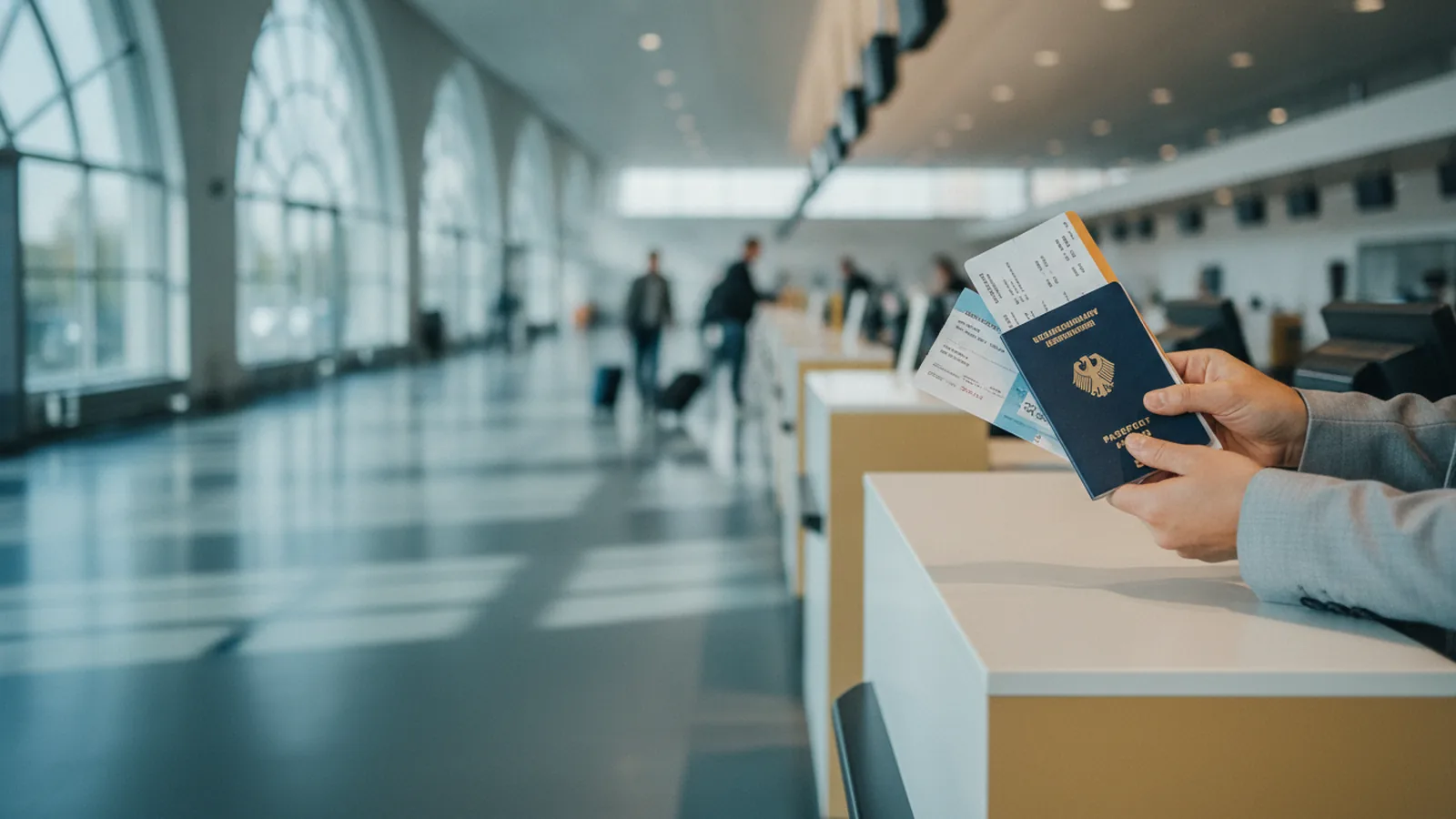
Overview: how VAT refunds work in Germany
You can often get a Germany VAT refund when you buy goods in Germany and export them outside the EU. The core idea is simple: German value added tax is paid at purchase, then refunded once customs confirms the goods left the EU.
Germany’s VAT is usually 19% for most goods. Some items use a 7% rate, including food and books. Your expected refund depends on the germany vat refund rate tied to the items you bought, plus any shop fees.
In practice, travelers run into delays when paperwork is incomplete or when customs does not stamp the export documents. So focus on two things first: correct eligibility and clean documents.
For a quick estimate, many people use a germany vat refund calculator that applies VAT rates and subtracts service fees. Remember that the final amount still depends on customs approval.

Eligibility for a VAT refund in Germany
Only non-EU residents can generally claim VAT refunds for purchases made in Germany. If you live in an EU country, you usually do not qualify, even if you are traveling as a visitor.
This matters most for VAT refund eligibility tied to tax-free shopping programs. Shops may ask for your passport and residency status at checkout. Always confirm eligibility before leaving the store.
Tourists can claim a vat refund in germany for tourist purposes, but they must meet the export conditions. A common rule is that you must export the goods within three months of purchase to qualify.
Also note purchase limits and product restrictions. For some goods, there are minimum purchase amounts, and for certain categories you may face special rules. If you bought higher-value items, ask the retailer what conditions apply to your specific items and payment method.
- Non-EU residence is the main eligibility rule.
- Export within three months is key for tourists.
- Minimum spend and item rules may apply.
- Some goods may require extra checks.

VAT refund process steps (from store to customs to refund)
The VAT refund workflow usually starts at the store. You tell the cashier you want a tax-free purchase, then you receive a tax-free form. Shops often require your passport details at this stage.
Next, you must export the goods out of the EU. At the border or airport, customs must review the items and the documents. This step is the one most people underestimate.
Once customs approves, you can submit the stamped paperwork to the refund providers handling the process. Some providers process electronically, but you still must ensure customs stamping or approval is done correctly.
Finally, you receive the refund by the method offered by the provider. Many travelers get a bank transfer later, especially when they submit paperwork away from the airport.
- Ask for a VAT refund at purchase and keep all forms.
- Pack goods so they can be inspected during export.
- Have customs review the goods and stamp the export documents.
- Submit the approved paperwork to the provider if required.
- Wait for the refund to be issued after processing.

Important documents required (what customs and providers expect)
To get a VAT refund, you must keep the purchase receipts and the tax-free documents from the shop. Without the originals, you may not be able to prove what you bought and what VAT was paid.
You will typically need an export-related form and a clear breakdown of purchased items and amounts. The documents are often tied to specific invoices and product lines, so you should avoid merging receipts from different stores.
Customs approval requires the right export documents and visible stamps. If the document is incomplete, customs may refuse stamping. Then the provider cannot process your refund.
Because rules differ by provider and airport, check your exact paperwork at checkout. If you have questions, ask the shop staff which forms you will need for customs and how they will be used at the border.
| Document | Why it matters |
|---|---|
| Original sales receipt(s) | Proves purchase and VAT amount. |
| Tax-free form from the store | Links your items to the VAT refund claim. |
| Export documents for customs | Allows customs to approve the export. |
| Proof of residency (passport details) | Supports EU residency rules for eligibility. |
Keep copies and track numbers if your provider gives them. Also store documents in a place you can reach quickly at the airport or border.
Common VAT refund mistakes that delay or cancel refunds
Most failed claims are not about your eligibility. They are about the customs process and missing paperwork.
One frequent mistake is leaving customs stamping until you are already at the gate. In many cases, customs needs time to inspect goods. If goods are sealed in a way that prevents inspection, customs may not stamp the documents.
Another mistake is missing the export timeline. Tourists generally must export within three months of purchase. If your travel plan changes, confirm how that affects the export window for your claim.
Also watch for errors on forms. If item descriptions, quantities, or totals do not match the receipt, the provider may reject the claim. These issues can happen when people split shopping across multiple receipts without keeping them organized.
- No customs stamping or incomplete stamping.
- Exporting too late after purchase.
- Wrong or missing receipts.
- Goods not available for inspection.
- Form details that do not match the receipt.
Finally, be careful with packaging and shipping. If you mail items later instead of exporting them with your trip, you may not meet the refund provider’s requirements.
Additional considerations and tips for a smooth refund
If you want to estimate your expected refund, start with the VAT rates. Most goods are taxed at 19%, while items like food and books may use 7%. That difference can shift your refund noticeably, especially on larger purchases.
When people look up a germany vat refund calculator, they typically need their item totals and VAT rates. A calculator is helpful, but treat it as an estimate. The final refund often depends on the shop’s handling and the refund provider’s fees.
Some refund providers at airports can offer cash refunds. In many cases, you get the refund faster than submitting paperwork later. If you have enough time, ask staff at the refund desk which countries and airports they process and what conditions apply to cash payout.
Before you travel, plan where you will do customs. Choose an airport route with enough buffer time for the customs check. Then keep your goods easy to access in your bag or cabin luggage, based on what customs might request.
If you bought multiple categories, separate receipts and keep item-level details together. When you submit claims, consistent documents reduce back-and-forth with providers.
If you aim for the best outcome, treat customs stamping as the main task, not the paperwork after the trip.
Frequently asked questions
- Who can claim a Germany VAT refund?
- In most cases, only people who are not EU residents can claim. Shops may ask for passport details to confirm eligibility.
- What is the Germany VAT refund rate for common purchases?
- Most goods are taxed at 19% VAT. Some categories like food and books may be taxed at 7%, which changes your refund amount.
- How long does a vat refund in germany for tourist claim take?
- It depends on where you submit documents and how the provider processes them. If customs stamping is correct, many refunds complete within weeks.
- What documents do I need for a VAT refund in Germany?
- You usually need the original purchase receipt and the tax-free form from the store. You also need export documents approved by customs.
- How do I get customs approval and stamping for my VAT refund?
- Take the goods and your documents to customs during your export process. Customs must inspect the goods and stamp or approve the export paperwork.
- Can I get a cash refund at the airport for a Germany VAT refund?
- Some airport refund desks can issue cash refunds. Availability depends on your provider, airport, and the timing of your customs approval.
Related reading

What Is an ACH Payment? How It Works, Benefits, and Costs
Understand ACH payments: meaning, types, how they work, and fees.

Fintech Fraud Detection & Prevention for Payment Gateways
Methods to detect and prevent fraud in fintech payment gateways.

How to File a Business Tax Extension (Forms, Deadlines, Next Steps)
File Form 7004 to extend filing to Oct 15. Pay any due taxes by the original deadline.