What Is an ACH Payment? How It Works, Benefits, and Costs
Understand ACH payments: meaning, types, how they work, and fees.

Understanding ACH Payments
An ACH payment moves money between U.S. banks using an electronic network. ACH stands for Automated Clearing House. It routes transfers under rules set by Nacha.
If you search payment via ach meaning, think “bank-to-bank money move.” It is not a card charge. The transfer uses bank routing numbers to find the right bank.
So what is payment via ach? It is a way to send money through ACH rails. You can use it for payroll and bills. It also supports other payment automation flows.
- Usually cheaper than card payments
- Works for payroll and bills
- Uses bank-to-bank routing
- Secured by Nacha rules

How ACH Payments Work
ACH payments follow a simple path. A payer starts the move through a bank or tool. The payment then travels to the receiving bank.
During initiation, the payer sends key account info. Banks then route the request using the bank routing numbers. The receiving bank posts the funds to the right account.
Speed can vary by timing. ACH often ran in batches in the past. Now, faster processing is common in many cases.
It can settle on the same day, depending on cutoffs. This is great for time-sensitive bills. Still, not every transfer is instant.
- Start the payment request with your bank or provider
- Authorize it if it is an ACH debit
- Route it using routing and account details
- Process and settle it with the banks involved

Types of ACH Transactions
There are two big ACH transaction types. They are direct deposits and direct payments. These names describe who sends the money first.
Direct deposit is usually money you receive. A business or a government group sends it to you. Payroll is the most common direct deposit.
Direct payment is usually money you send. A consumer starts it for a bill or purchase. This is where payment by ach meaning often shows up.
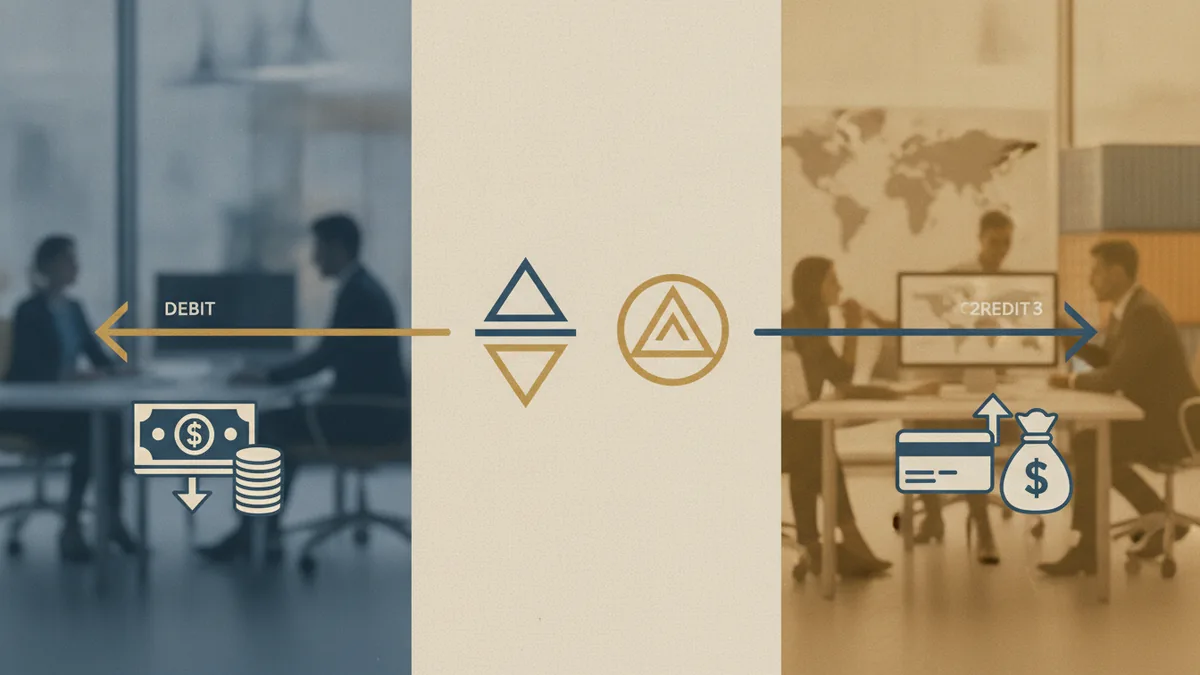
ACH transactions also split into two forms. ACH credit pushes money into an account. ACH debit pulls money out from an account with permission.
| Type | Money flow | Common example |
|---|---|---|
| Direct deposit | Funds are added to your account | Salary deposit |
| Direct payment | Funds are taken from your account | Paying a bill from your bank |
Benefits of Using ACH Payments
ACH payments are often lower cost than credit cards. They can also beat paper checks on speed. That matters when you pay often or pay many customers.
For merchants, payment processing fees can stay more steady. For example, you may run the same billing plan each month. That helps your budget and your plan.
ACH also fits well with regular schedules. Payroll can run each pay date. Bills can run each due date. That reduces manual work.
Many teams also like faster payment reconciliation. When funds post, matching is easier with clear records. That can cut support time.
- Lower cost than cards
- Good for recurring pay
- Less manual match work
- Wide use across financial institutions
ACH is also used at huge scale. In 2020, the ACH network processed over 26.8 billion transactions. That shows how common this method is.
How to Make and Accept ACH Payments
Making an ACH payment means starting a bank move. Often, you do this in a bill site or checkout. You usually enter your bank routing number and account number.
If it is ACH debit, you must give permission. This is part of authorization. You agree to let funds move from your account on set dates.
Accepting ACH payments means you receive transfers. You can use your bank, or a payment tool. Many setups help you send and receive ACH files.
To reduce mistakes, validate the bank info you collect. Wrong routing numbers can cause delays or returns. Good records help when you must fix issues.
- Pick your use, like payroll, bills, or invoices
- Collect bank details, including routing and account numbers
- Get and store permission for ACH debit
- Send payment data via your bank or provider
- Match results using settlement and return codes
Costs Associated with ACH Payments
ACH costs depend on the bank and the setup. Merchants often face per payment fees. They may also pay a monthly service fee.
Budget for more than just the base fee. Returns can happen if funds are low or data is wrong. Each return can add staff time and extra fees.
For consumers, costs are often small. Some banks charge nothing for basic ACH activity. Others may charge for certain types of transfers.
When you compare options, ask for the full fee plan. This includes setup, per item fees, and return costs. Then you can plan your real cost.
| Cost area | Who often pays | What it depends on |
|---|---|---|
| Per payment fees | Merchants | Bank or provider price |
| Monthly platform fees | Merchants | Service level and volume |
| Returns and fixes | Merchants | Data quality and permission records |
| Bank fees to you | Consumers | Your bank’s account terms |
Common Questions about ACH Payments
Is a credit card payment an ACH transaction? No. Credit cards use a card network. ACH uses bank-to-bank ACH processing.
Is ACH the same as electronic funds transfer? ACH is one kind of electronic funds transfer. EFT is the broad term. ACH is the specific U.S. bank routing network.
How does security work? ACH follows Nacha regulations. These rules aim to reduce fraud. They also guide how banks handle sensitive data and errors.
Can you stop payment on an ACH transaction? Sometimes yes. You can ask your bank for a stop payment. But timing matters, since the transfer may already be moving.
What if I need a fast refund? For ACH, refunds can be hard to reverse like cards. You may need a return or a new payment. Ask your bank about the best path.
Quick check: ACH credit vs ACH debit
- ACH credit: money is added to your account.
- ACH debit: money is taken from your account.
- Direct deposit: usually incoming credit.
- Direct payment: usually outgoing debit.
What makes ACH stand out
ACH is strong for repeat bills and payroll. It can cut card cost and check hassle. It also fits clean record keeping for your team.
When people ask what is payment via ach meaning, this is the answer. It is a bank-to-bank move using ACH rails. That is why it can be both safe and cost friendly.
Summary: what to remember
ACH meaning payment is simple. It is the network for bank-to-bank transfers. Payment via ach meaning is an electronic transfer routed through ACH.
ACH credit adds funds. ACH debit pulls funds with permission. Same-day processing is possible in many cases, based on cutoffs.
Frequently asked questions
- What is payment via ach meaning?
- It means your bank sends an electronic transfer through the ACH network. Funds move between financial institutions using routing details.
- What is ACH meaning in payment transactions?
- ACH meaning in payment is the bank-to-bank network that clears and settles electronic transfers. It supports direct deposit and direct payments.
- Is a credit card payment an ACH transaction?
- No. Credit cards use card network processing. ACH transactions move money through ACH rails instead.
- What is the difference between ACH credit and ACH debit?
- ACH credit adds money to an account. ACH debit takes money from an account with authorization.
- Can I stop payment on an ACH transaction?
- Often you can ask your bank for a stop payment. Timing is critical, since the transfer may already be in motion.
- How many ACH transactions are processed each year?
- ACH is widely used in the U.S. In 2020, the network processed over 26.8 billion transactions.
Related reading

How to Get a VAT Refund in Germany: Eligibility and Steps
Get a Germany VAT refund as a tourist. Know eligibility, documents, and customs steps to avoid delays.

Fintech Fraud Detection & Prevention for Payment Gateways
Methods to detect and prevent fraud in fintech payment gateways.

How to File a Business Tax Extension (Forms, Deadlines, Next Steps)
File Form 7004 to extend filing to Oct 15. Pay any due taxes by the original deadline.