What Is a Payment Gateway Acquirer? Roles in Card Payments
Understand payment gateway acquirers: authorization, settlement, chargebacks, and fees.
Understanding Payment Gateways
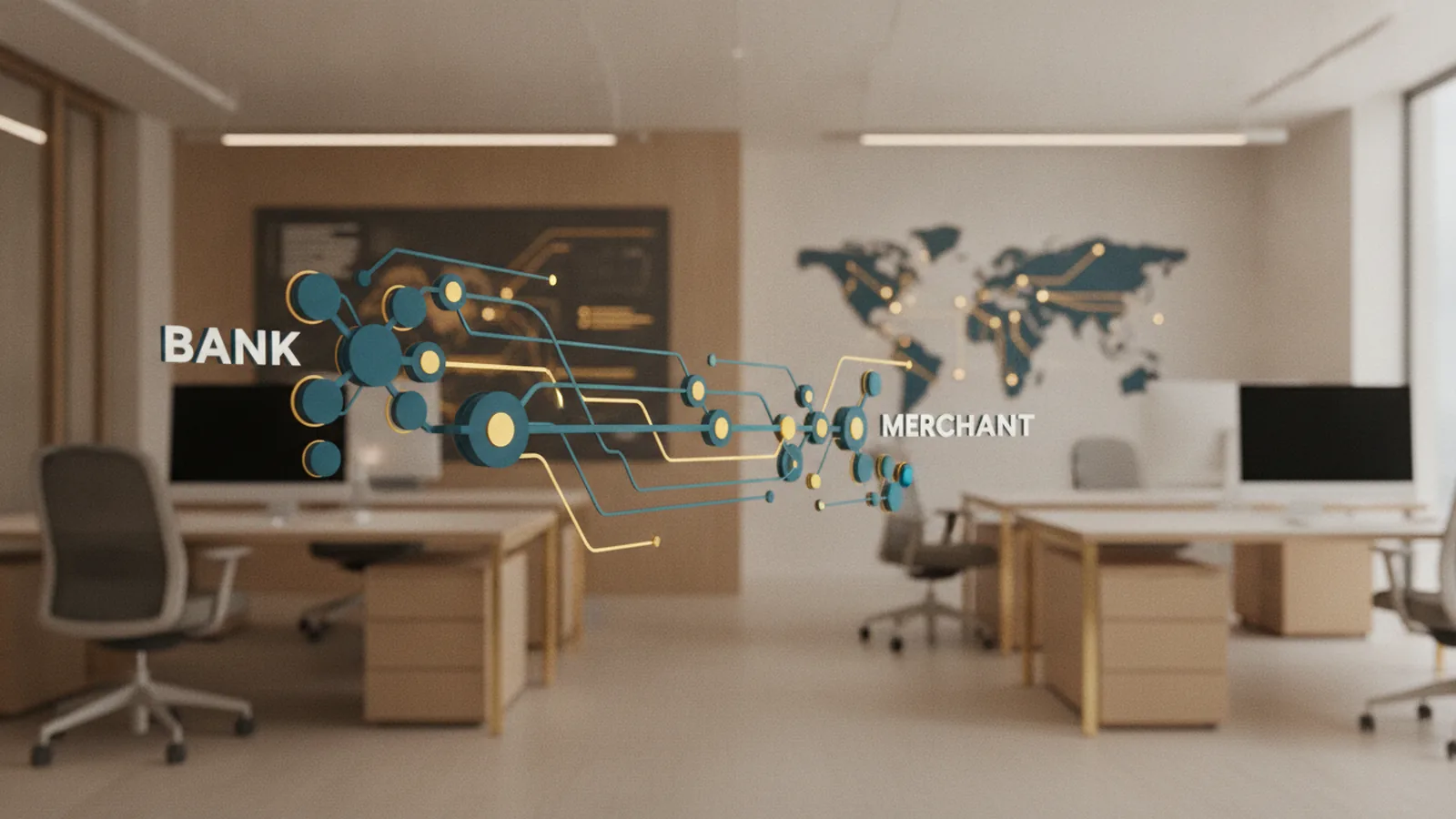
A payment gateway acquirer is part of a larger card payment flow. The gateway is the secure checkout link between your store and the payments world. It sends card data in a safe way to the next service.
Your store usually does not talk to card networks by itself. Instead, it connects to a payment gateway or a gateway service. That gateway then routes the request toward a payment processor.
From there, the request reaches the acquiring bank side. That side is where settlement support and merchant accounts live. This is the part people mean when they say “acquirer.”
- Payment gateway: safe checkout interface and routing
- Payment processor: transaction message handling
- Acquiring bank: supports merchant settlement and chargebacks
Why a Payment Acquirer Enables Merchant Card Payments
A payment acquirer is also called a merchant acquirer. It enables merchants to accept card payments. It does this by supporting merchant accounts and the path to settlement.
A merchant account is the setup that lets card funds reach you. The acquirer backs that setup on the acquiring side. It also reviews risk and helps manage ongoing account rules.
The acquirer’s key work covers three areas. It keeps merchant accounts in place. It supports transaction authorization. It also manages chargebacks when a buyer disputes a charge.
Chargebacks are customer disputes that can reverse payments. They can also add extra work and fees. So the acquirer’s dispute handling matters.
| Acquirer duty | What you feel |
|---|---|
| Merchant account upkeep | Your ability to take cards |
| Transaction authorization support | Approval or decline at checkout |
| Chargeback handling | Dispute outcomes and costs |

Acquirer Versus Processor: What Each One Does
Acquirer versus processor confusion is common. It helps to think in terms of money versus messages. One side moves funds. The other side moves payment data.
A payment processor manages the transaction details. It handles how the payment request is sent and tracked. It also applies checks like retry logic and risk signals.
A card payment acquirer focuses on settlement and disputes. It supports funds movement after approval. It also owns parts of the chargeback path at the bank side.
These roles can blur because some firms bundle services. You might sign one contract. Still, ask who holds the merchant account and who settles funds.
- Acquirer: merchant account backing, settlement support, chargeback work
- Processor: payment message handling and routing logic
- Payment gateway: secure checkout interface for sending requests
How Payment Authorization Works in the Real World
Authorization is the “approved or not” step for a card payment. It is not the final move of money yet. It is a green light from the card issuing bank.
When a buyer taps “Pay,” your gateway sends a payment request. The request then travels through the payment processor. From there, it reaches the acquirer side and the right bank routes.
The issuing bank checks funds and risk rules. It returns either an approval or a decline. That result comes back to your checkout system fast.
Approval matters most for conversion. Declines can stop the sale and harm your rate. So authorization quality affects your bottom line.
- Your store sends a payment request via the payment gateway
- The processor routes it to the acquiring bank side
- The acquirer sends it to the card network and issuing bank
- The issuing bank approves or declines
- You get an authorization result in checkout
Choosing the Right Acquirer for Your Payment Setup
Pick the acquirer that fits how you sell, not just a low rate. Approval rates can change based on routing and risk rules. So can how fast disputes get handled.
Acquiring banks must be licensed to operate. They must follow financial regulations for card processing. This rule exists to protect customers and the payment system.
Ask for a fee breakdown before you sign anything. Many deals use a merchant discount rate. This rate is often a mix of a percent and extra charges.
Fees can also vary by card type and buyer region. That is where cross-border transactions come in. International sales often need more setup for the right card routes and settlement.
- Approval rates: ask how requests are routed and checked
- Fee structure: ask for a line item view, not only totals
- Cross-border transactions: ask what card types work in each region
- Chargeback help: ask what tools and alerts are included
Impacts on Business and Fees
Transaction fees directly change your margin. A merchant discount rate is one major driver. Other fees may also apply based on the type of card payment.
For example, two stores can process the same monthly amount. Still, their fee totals can differ due to card mix. The mix can include domestic versus international cards.
Chargebacks also change costs and work. Higher dispute rates can lead to higher fees later. It can also lead to more account review by the acquirer.
Settlement timing affects cash flow. You wait for funds after authorization. The settlement process decides when those funds hit your merchant account.
| Area | Acquirer impact |
|---|---|
| Cost | Merchant discount rate and add-on fees |
| Checkout success | Authorization behavior and routing |
| Disputes | Chargeback steps and evidence path |
| Cash flow | Settlement timing and credit rules |
Future Trends in Payment Processing
More work is moving into faster checks and better data use. Acquirers and processors add more risk tools over time. These tools aim to cut fraud while keeping good buyers approved.
Cross-border transactions are also getting more options. Merchants want more card types in more regions. Acquirers may expand scheme reach to keep approvals higher abroad.
Gateways may also get tighter with processing and acquiring. Fewer handoffs can mean lower delay at checkout. Lower delay can help sales, especially on mobile.
Chargebacks will keep evolving. Rules and proof needs can shift. Acquirers may add more dispute workflows to help merchants respond.
FAQ: Payment Gateway Acquirers Explained
Q: What is a payment gateway acquirer?
A: It is the acquiring side that supports card acceptance. It ties merchant account support to the gateway checkout flow.
Q: What does a merchant acquirer actually do?
A: A merchant acquirer sets up merchant accounts and supports authorization. It also manages chargebacks on the acquiring side.
Q: How is a payment processor different from an acquiring bank?
A: A payment processor handles payment message details and routing. An acquiring bank supports settlement and dispute handling.
Q: How does transaction authorization work for card payments?
A: Your gateway sends a payment request through the processor to the acquirer. The issuing bank then approves or declines the card payment.
Q: What fees can an acquirer charge?
A: Acquirers charge fees through the merchant discount rate and other items. Costs depend on card type, region, and your risk profile.
Q: Does choosing an acquirer affect cross-border transactions?
A: Yes. Acquirers differ in which routes work by region. That can change both approvals and settlement.
Frequently asked questions
- What is a payment gateway acquirer?
- It is the acquiring side that supports card acceptance. It ties merchant account support to the gateway checkout flow.
- What does a merchant acquirer actually do?
- A merchant acquirer sets up merchant accounts and supports authorization. It also manages chargebacks on the acquiring side.
- How is a payment processor different from an acquiring bank?
- A payment processor handles payment message details and routing. An acquiring bank supports settlement and dispute handling.
- How does transaction authorization work for card payments?
- Your gateway sends a payment request through the processor to the acquirer. The issuing bank then approves or declines the card payment.
- What fees can an acquirer charge and how do they affect my costs?
- Acquirers charge fees through the merchant discount rate and other items. Costs depend on card type, region, and your risk profile.
- Does choosing an acquirer affect cross-border transactions?
- Yes. Acquirers differ in which routes work by region. That can change both approvals and settlement.
Related reading
How to Use Payment Gateway Test Credit Card Numbers Safely
Use gateway test card numbers to run safe payment scenarios without real card data.

Business Multi-Currency Accounts: What They Are and How to Use Them
Get a clear guide to business multi-currency accounts, setup steps, and international payment benefits.

Cross-Border Payment Gateways: How They Work and What to Watch
Understand cross-border payment gateways: how they work, benefits, risks, and selection tips.