New Zealand GST Explained: Rates, Registration and Refunds
Learn New Zealand GST rates, registration rules, filing dates, and refund basics.
What New Zealand GST Means
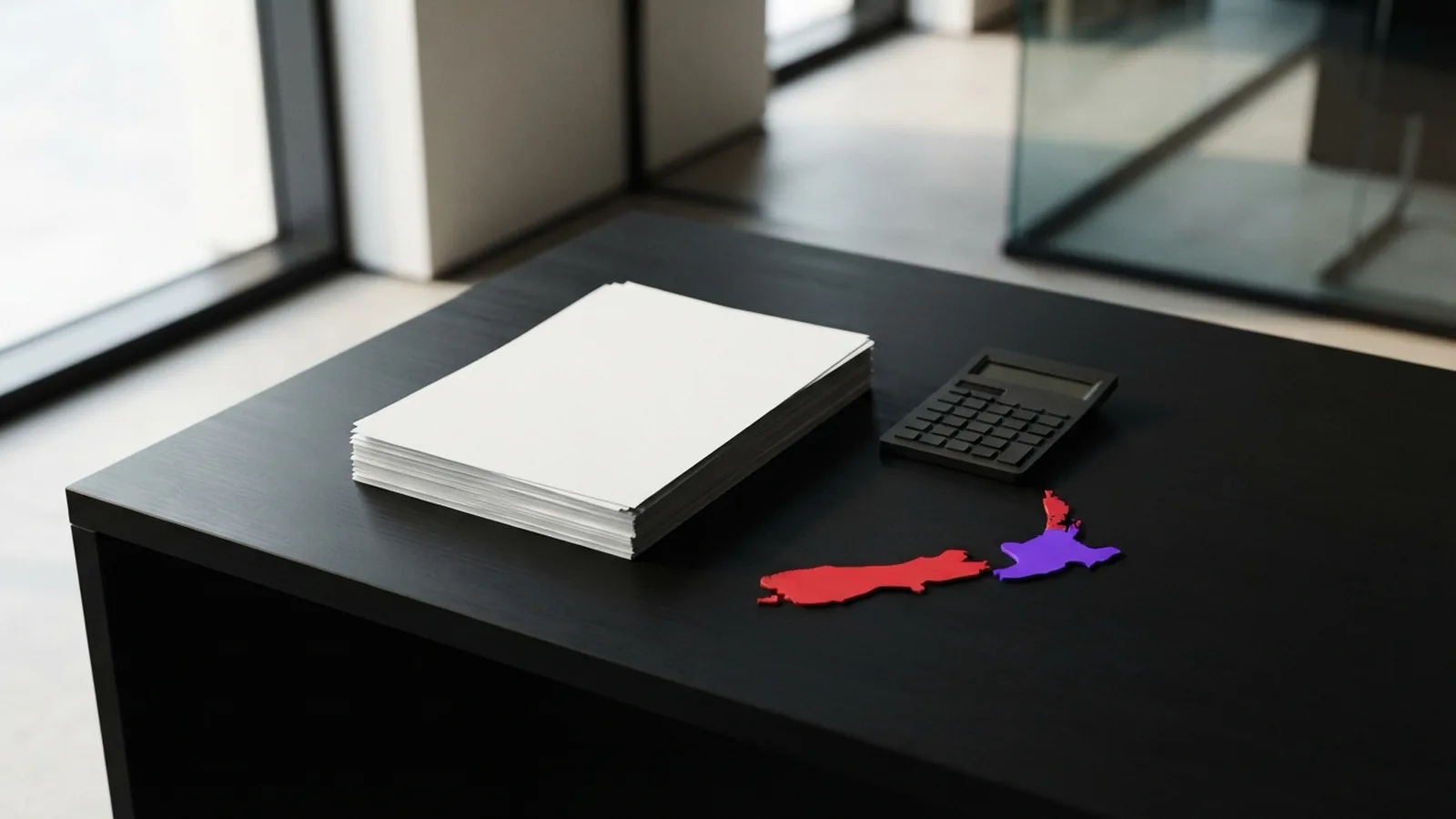
New Zealand has no tax called VAT. Its Goods and Services Tax, or GST, works in much the same way. Businesses charge GST on most taxable sales, then send the net amount to Inland Revenue.
The tax applies at each stage of the supply chain. A registered business charges GST on sales and claims GST paid on business costs. This keeps the final tax burden with the end consumer. In that sense, New Zealand GST is the country’s form of value-added tax.
GST usually applies to goods and services supplied in New Zealand. It can also apply to some services sold by overseas businesses. The key questions are whether you make taxable supplies and whether you must register.
The Current GST Rate and Its History
The current New Zealand GST rate is 15%. It has applied since 1 October 2010. Before that date, the standard rate was 12.5%.
For a GST-inclusive sale, a $115 price contains $15 of GST. For a GST-exclusive price of $100, GST adds $15. Businesses should state clearly whether quoted prices include GST.
The 15% rate covers most taxable goods and services. Some supplies have a rate of 0%, while others sit outside GST. A zero rate is not the same as an exemption. That difference affects whether the seller may claim input tax.
For current rate details, see Inland Revenue’s GST guidance. It covers rates, filing rules, and common supply types.
When a Business Must Register
You must register when your taxable turnover exceeds NZD 60,000 in any 12-month period. You must also register if you expect to pass that level within the next 12 months.
Taxable turnover means sales that are subject to GST. It includes standard-rated and zero-rated supplies. It does not normally include exempt supplies, such as residential rent.
You may register below the threshold if registration helps your business. This can make sense when you have large start-up costs. Registration may let you claim GST paid on eligible business purchases.
Track turnover each month. A simple rolling 12-month report can show when registration becomes due. Contact Inland Revenue promptly if your sales rise near the threshold.
- Register when taxable turnover passes, or is likely to pass, NZD 60,000.
- Choose a filing frequency that fits your cash flow and records.
- Keep invoices and purchase records that support each GST claim.

Filing Returns and Meeting GST Duties
Registered businesses file GST returns with Inland Revenue. Returns must be filed electronically. The return reports output GST on sales and input GST on business costs.
The amount due is usually the difference between those two figures. If output GST is higher, you pay the balance. If input GST is higher, you may receive a refund or credit.
Deadlines depend on your filing period. For many businesses, the deadline is the 28th of the following month. Some periods use a different date, so check the due date shown by Inland Revenue.
Your records should match the return. Keep tax invoices, sales data, import records, and credit notes. Store them for the period required by New Zealand tax law.
- Gather sales and purchase records for the filing period.
- Separate taxable, zero-rated, and exempt supplies.
- Work out output GST and eligible input GST.
- File the return online by its due date.
- Pay any balance or check the expected refund.
Late filing can lead to penalties and interest. Set reminders before the due date. A bookkeeper can help when your records include mixed supplies.
Supplies That Are Exempt or Zero-Rated
Most financial services are exempt from GST. Residential rent is also generally exempt. These supplies do not carry GST for the customer.
Exempt sales do not usually create an input tax claim. A business that makes only exempt supplies may not gain from GST registration. Mixed businesses must split costs between taxable and exempt activities.
Zero-rated supplies have a 0% GST rate. The seller charges no GST, but the supply still counts within the GST system. The seller can usually claim input GST tied to that supply.
- Exports of goods can be zero-rated when the export rules are met.
- Some exported services can also qualify for a zero rate.
- Most residential rent is exempt, not zero-rated.
- Many financial services are exempt, not zero-rated.
Classification matters. Calling an exempt sale “zero-rated” can create a wrong refund claim. Check the supply rules before filing.
International Sales and Overseas Businesses
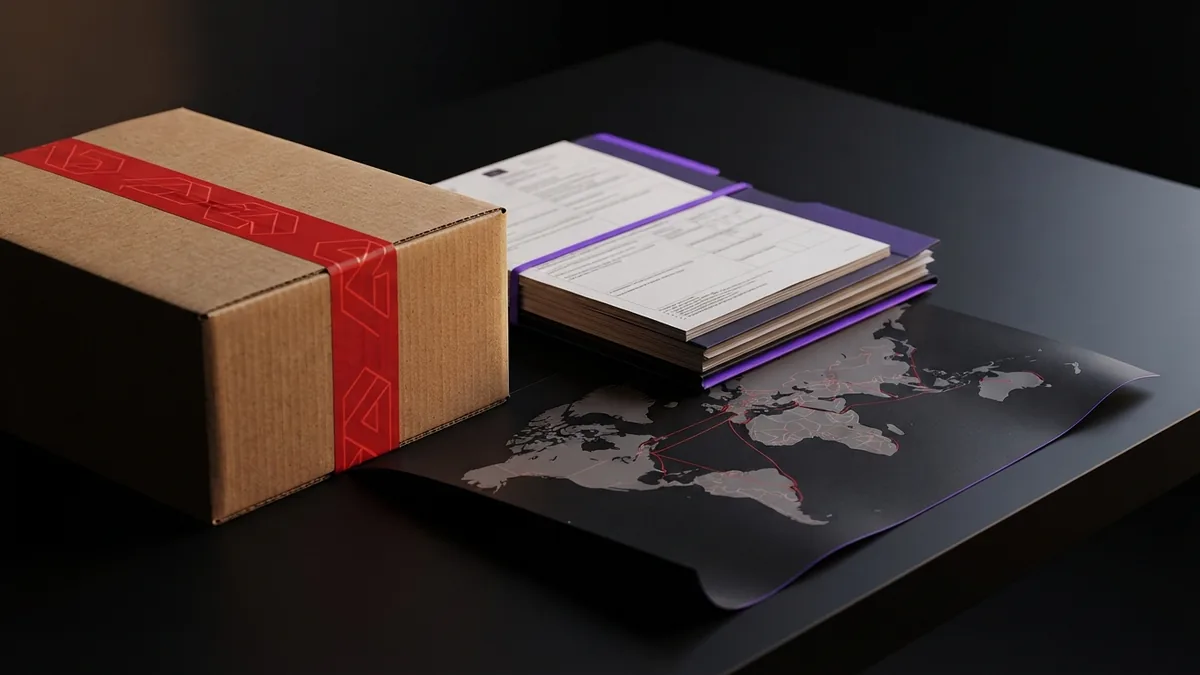
Exports often qualify for zero-rating when goods leave New Zealand under the required conditions. This lets the exporter claim related input GST. Keep shipping records and export evidence to support the treatment.
Services need closer review. The place of supply, customer type, and service class can change the result. A service sold to an overseas customer may qualify for zero-rating, but not every case does.
Non-resident businesses can face GST duties when they supply services to New Zealand consumers. Digital services are a common example. A foreign streaming, software, or app business may need to register when its taxable consumer sales reach NZD 60,000.
Registration can bring several duties. The business may need to charge GST, file returns, and keep sales records. It should also confirm whether the customer is a consumer or a GST-registered business.
Do not assume that an overseas business avoids New Zealand GST. Cross-border rules can turn on small facts. Get tax advice when sales span several countries.
GST Refunds and Input Tax Recovery
A GST refund can arise when your input GST exceeds your output GST. This often happens after buying equipment or during an export-heavy period. Inland Revenue may pay the refund after checking the return.
Input tax is GST charged to your business on eligible costs. The cost must relate to taxable business activity. Private costs and costs linked to exempt supplies usually cannot support a full claim.
Keep a valid tax invoice for each claim where one is required. Record the supplier, date, amount, and GST charged. Import GST may need customs records or other proof.
The phrase “New Zealand VAT refund” is often used by overseas searchers. In New Zealand, the correct term is usually a GST refund. Visitors should not expect a broad tourist refund scheme like those found in some VAT countries.
- Match each claim to a taxable business purpose.
- Remove private use from mixed business costs.
- Check invoices before adding them to the return.
- Keep export and import proof with the tax records.
A refund is not free cash. It shows that your net GST position is negative for that period. Review unusual claims before filing.
A Practical GST Checklist
Start with turnover, not with the tax rate. Review taxable sales across the past and next 12 months. Register before you cross the NZD 60,000 point when the rules require it.
Then set up a clean record system. Mark each sale as standard-rated, zero-rated, or exempt. Save invoices and proof for cross-border sales.
Finally, build a filing routine. Check the period, submit the electronic return, and pay on time. Review each refund claim before sending the return.
- Check the 15% GST rate on standard taxable sales.
- Watch the NZD 60,000 registration threshold.
- File electronically by the assigned due date.
- Separate exempt supplies from zero-rated supplies.
- Claim input GST only for eligible taxable activity.
Frequently asked questions
- What is GST in New Zealand?
- New Zealand GST is a 15% tax on most goods and services supplied in New Zealand. It works much like VAT in other countries.
- What is the New Zealand GST rate?
- The current New Zealand GST rate is 15%. This rate has applied since 1 October 2010.
- Who must register for GST in New Zealand?
- A business must register when taxable turnover exceeds, or is expected to exceed, NZD 60,000 in a 12-month period.
- When are New Zealand GST returns due?
- Many businesses file by the 28th of the following month. The exact date depends on the filing period, so check the assigned deadline.
- Which goods and services are exempt from New Zealand GST?
- Exports and some exported services may be zero-rated. Most financial services and residential rent are generally exempt.
- How does a New Zealand GST refund work?
- A GST refund may arise when eligible input GST is higher than output GST. You must support the claim with suitable records and invoices.
Related reading

Payment Processors for Small Business: How to Choose
Compare fees, features, security, and top payment tools for small firms.

North Carolina Business Tax: Rates, IDs, and Growth
Understand North Carolina tax rates, IDs, costs, and rules for business growth.
Payment Processing Systems: Features, Costs, and Best Fits
Compare payment systems, fees, features, and fit for your business.