Secure Online Payment Gateways: Encryption and Compliance
Learn how payment gateways work and choose one that keeps sales safe.

What Is a Secure Online Payment Gateway?
A secure online payment gateway is a service that moves card and other payments safely online. It links the customer, merchant, payment tool, and banks during each sale. The gateway checks payment details, seeks approval, and sends the result back to the business.
It also protects sensitive data during the trip between each party. Encryption changes readable data into coded data that outsiders cannot use. A secure gateway can also replace card numbers with tokens. A token is a safe stand-in that reduces the risk of data theft.
The gateway is not always the same as a merchant account. A merchant account receives card funds for a business. The gateway sends payment data and passes the bank's answer back to the store. Some providers offer both services in one package.
Look for a provider that follows PCI DSS rules. PCI DSS is the card industry's standard for protecting payment data. The PCI Security Standards Council's PCI DSS overview explains the main security duties for businesses and service providers.
How Does a Payment Gateway Work?
A gateway handles several steps in only a few seconds. The steps may look simple to a buyer. Each one protects the payment and helps prevent errors.
- Checkout begins: The customer enters payment details on the store page or a hosted page.
- Data is secured: The gateway encrypts the details before sending them for review.
- The payment is checked: The gateway sends the request to the payment network and bank.
- The bank responds: The bank approves or declines the payment based on funds and risk checks.
- The result returns: The gateway tells the store whether the sale was approved.
- Funds move: The provider sends approved funds to the merchant account during settlement.
Fraud checks may run during the same flow. These checks can review location, device details, order size, and past behavior. A customer may also face a one-time code or bank approval. Strong checks lower risk, but false declines can hurt sales.
Most gateways offer a dashboard for reports and refunds. You can view approved sales, failed attempts, chargebacks, and payouts. These records help teams match orders with bank deposits. Good reports also make payment issues faster to find.

Key Features of Secure Payment Gateways
Security should sit at the center of every online payment solution. Yet security alone does not make a gateway useful. Your team also needs clear tools, stable service, and useful data.
Encryption and token use
Encryption protects data while it travels across the internet. Token use limits the number of systems that store card details. Ask whether the provider stores card data for you. Fewer stored details can reduce your security workload.
Fraud checks and payment approval
Fraud tools can flag odd orders before they cause losses. Useful controls include address checks, spending limits, and risk scores. Some tools let you block countries or set review rules. Keep these rules flexible enough to avoid blocking good customers.
Payment types and uptime
A gateway should support the payment types your customers use. These may include cards, digital wallets, bank payments, and local methods. Check its support for recurring billing if you sell memberships. Also review its past uptime and status reports.
Reports, refunds, and support
Look for simple reports that show sales, fees, refunds, and failed payments. A clean refund flow saves staff time. Support should offer clear hours and more than one contact path. Test support before you sign a long contract.
Benefits of Secure Online Payment Processing
Secure online payment processing protects both the buyer and the business. It lowers the chance that stolen details will lead to fraud. It also helps build trust at checkout. Buyers are more likely to finish when the payment page feels safe and familiar.
A gateway can reduce the work needed to meet card security rules. The provider may host payment fields and handle much of the card data. This can shrink the scope of your own security review. It does not remove your duties, so read the provider's security guide.
Fast approval can improve the customer experience. A gateway can support wallets, saved payment details, and mobile checkout. It can also retry failed recurring payments under set rules. These features may help recover sales without adding manual work.
One service can also simplify sales across channels. A store may accept payments on a website, app, invoice, or booking page. Central reports can show the full picture. Compare that gain with the provider's fees and setup limits.

How to Choose the Right Payment Gateway
Start with your sales model and customer needs. A small shop may need simple card payments and fast setup. A subscription firm may need billing tools and account updates. An international store may need local currencies and payment types.
Then compare the full cost, not only the headline rate. Fees may include a per-payment charge, a percentage, monthly costs, and refund fees. Some providers charge for chargebacks or currency conversion. Ask for a sample cost based on your monthly sales.
- Security: Check encryption, token use, fraud tools, and PCI support.
- Fit: Confirm support for your store platform, billing model, and payment types.
- Cost: Compare rates, fixed fees, refunds, chargebacks, and payout fees.
- Growth: Check limits, global reach, reporting, and account controls.
- Support: Review response times, support hours, and help for failed payments.
- Control: Decide whether you need a hosted page or on-site checkout.
Test the checkout on a phone before making a choice. Try a success, decline, refund, and repeat payment. Check how the system handles a lost connection. A short test can reveal problems that a sales call will miss.
Hosted gateways suit firms that want less code and less card data. They send buyers to a secure page run by the provider. Integrated gateways keep checkout on your site. They can feel smoother, but they may need more code and security work.
Common Payment Gateway Providers
PayPal offers a familiar wallet and broad buyer reach. It can suit firms that want a quick checkout option. Some buyers prefer not to enter card details on a new store. Review its fees, payout timing, and account rules for your region.
Stripe gives developers many tools for custom checkout and recurring billing. It often suits online firms with technical staff. Its tools can cover cards, wallets, invoices, and marketplace flows. Check which features work in your country.
Square combines payment tools with point-of-sale products and small-business features. It may fit firms that sell both online and in person. Its reports can join sales from several channels. Compare its online rates with your average order size.
These names are not the only choices. A local bank or specialist provider may offer better support for your market. Compare the same test cases across each provider. Choose the service that fits your risk, sales volume, and checkout needs.

Best Practices for Secure Online Transactions
Use a valid SSL certificate on every page that handles checkout. SSL creates an encrypted link between the buyer and your site. Keep your store platform, plugins, and payment tools up to date. Old code can create weak points.
Keep card data out of your own systems when possible. Use hosted fields or token tools from a trusted provider. Limit staff access to payment reports. Remove access when a worker changes role or leaves.
- Turn on multi-factor sign-in for payment and store accounts.
- Use strong, unique passwords for every admin account.
- Set alerts for large orders, many declines, and odd login attempts.
- Review refunds and chargebacks each week.
- Test backups, access rules, and fraud controls on a set schedule.
Set clear fraud rules before a busy sales period. Review orders that have high value or unusual shipping details. Do not rely on one signal alone. A real customer may travel or use a new device.
Teach staff how to spot fake refund requests and account scams. Make one person responsible for payment reviews. Keep a written plan for service outages. Clear steps help your team act fast without creating new risk.
A secure online payment gateway should protect data without slowing good sales. Compare fees, tools, support, and setup work together. Test the full customer journey before launch. The right choice supports trust, growth, and safer payment processing.
Frequently asked questions
- What is a secure online payment gateway?
- A secure online payment gateway sends payment data safely between customers, merchants, payment networks, and banks. It can encrypt data, check risk, and return approval results.
- What is the difference between hosted and integrated gateways?
- Hosted gateways send buyers to a provider's secure page. Integrated gateways keep checkout on the merchant's site and may need more setup.
- How do I choose a payment gateway for my business?
- Compare payment fees, fraud tools, supported payment types, setup needs, reports, and support. Test refunds and failed payments before choosing.
- What are the most common payment gateway providers?
- PayPal, Stripe, and Square are common choices. The best option depends on your sales model, region, order size, and needed features.
- How can I keep online payments secure?
- Use SSL, limit stored card data, turn on multi-factor sign-in, and review fraud alerts. Keep store software and payment tools updated.
Related reading

How to Use a VAT Refund Calculator Across Europe
Estimate your VAT refund and learn each country’s claim steps.
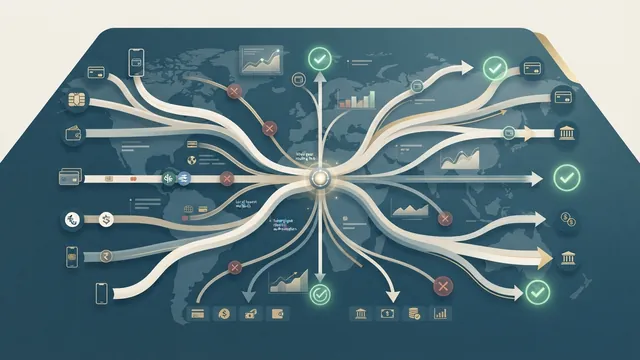
Payment Orchestration for Cross-Border Sellers: Routing, Failover and Compliance
A practical guide to payment orchestration for cross-border sellers: routing, failover, local methods, PSD2/SCA, PCI scope and reconciliation.

Merchant Card Processor Accounts: A Clear Business Guide
Learn how merchant accounts work, what they cost, and how to set one up.